Understanding Malpractice Insurance: Protecting Professionals in the USA
In today’s professional environment, malpractice insurance has become an essential safeguard for medical practitioners, lawyers, and other professionals. This type of insurance protects individuals and organizations against claims of negligence, errors, or omissions that may arise while providing professional services. With lawsuits and legal claims on the rise, having malpractice insurance is not just a safety net—it’s a necessity for anyone practicing in a field where mistakes can have serious consequences.
What is Malpractice Insurance?
Malpractice insurance, also known as professional liability insurance, is designed to cover professionals against financial losses resulting from claims of negligence, mistakes, or failure to perform professional duties properly. While liability insurance covers general risks, malpractice insurance specifically addresses professional errors that can harm clients, patients, or third parties.
Professionals in fields such as medicine, law, accounting, real estate, engineering, and consulting often rely on malpractice insurance to ensure their careers and finances are protected.
Types of Malpractice Insurance
Malpractice insurance comes in various forms depending on the profession and scope of coverage:
- Medical Malpractice Insurance: Protects doctors, nurses, and healthcare providers against lawsuits related to patient care.
- Legal Malpractice Insurance: Covers lawyers for claims of negligence, misrepresentation, or errors in legal services.
- Professional Liability Insurance for Other Professions: Engineers, architects, accountants, consultants, and IT professionals often require coverage for mistakes or oversights in their work.
Each type of policy may include coverage for legal fees, settlements, and damages awarded to the plaintiff.
Why Malpractice Insurance is Important
Malpractice insurance is vital for several reasons:
- Financial Protection: Legal claims can cost millions, and malpractice insurance ensures professionals are not personally liable for these expenses.
- Peace of Mind: Professionals can focus on their work without fear of financial ruin from a lawsuit.
- Client Trust: Having insurance demonstrates responsibility and professionalism to clients and patients.
- Legal Requirement: In some states and professions, malpractice insurance is mandatory to practice legally.
Without proper coverage, professionals risk severe financial loss, damage to reputation, and potential bankruptcy in extreme cases.
How Malpractice Insurance Works
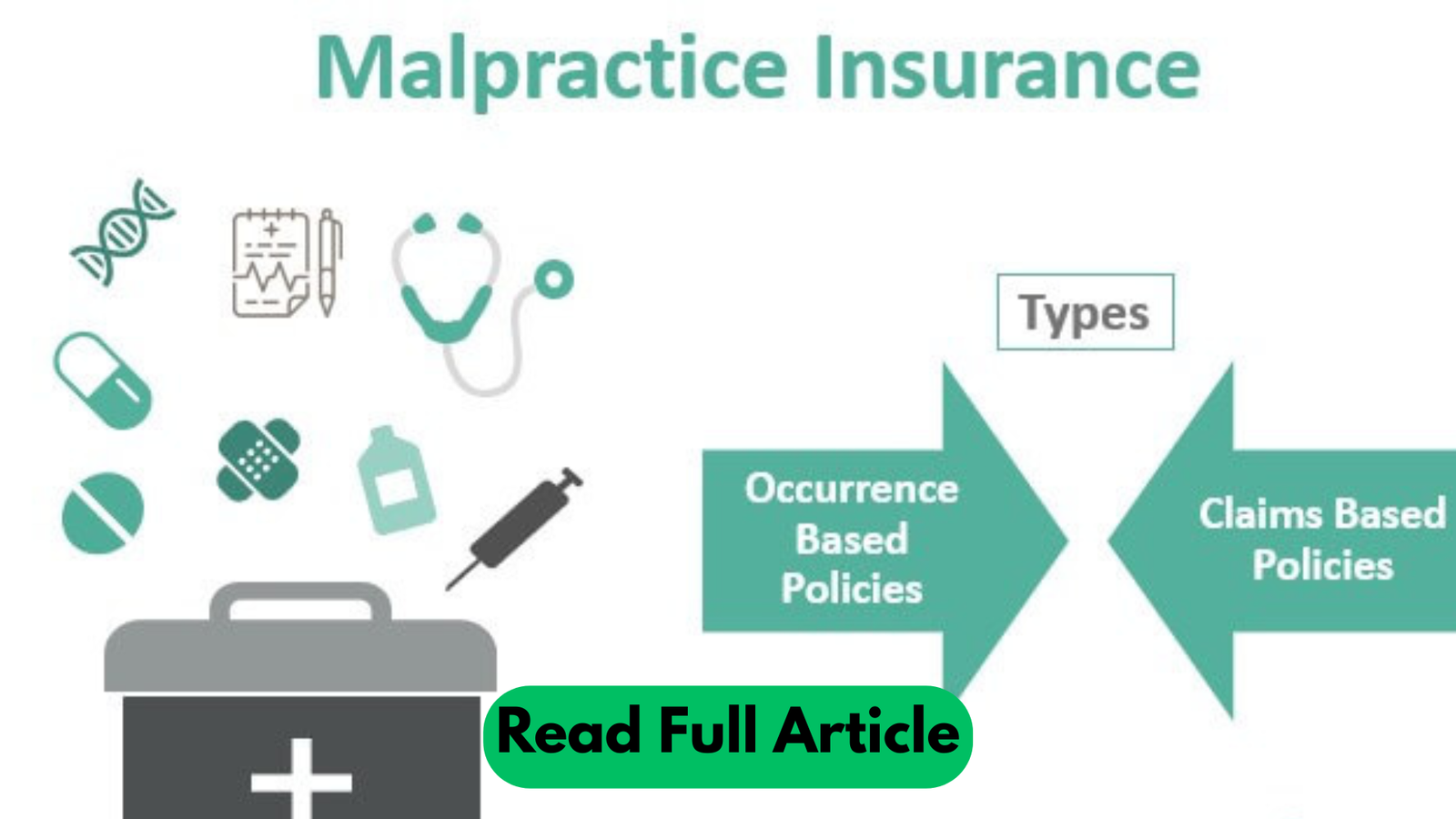
Malpractice insurance policies typically function in two ways:
- Claims-Made Policies: Coverage applies if the policy is active when the claim is made, even if the incident occurred in the past.
- Occurrence Policies: Coverage applies if the incident occurred while the policy was active, regardless of when the claim is filed.
Understanding these distinctions is critical when choosing a policy, as it impacts both protection and cost.
Factors Affecting Malpractice Insurance Premiums
Several factors determine the cost of malpractice insurance:
- Profession and Specialization: High-risk fields like surgery or litigation typically have higher premiums.
- Experience and Claims History: Professionals with a history of claims may face higher rates.
- Coverage Limits: Higher coverage limits and lower deductibles increase premiums.
- Geographic Location: Insurance costs vary by state due to differences in legal systems and malpractice claims.
Insurance companies evaluate these factors carefully to provide customized coverage that fits the professional’s needs.
Benefits of Malpractice Insurance
- Comprehensive Legal Support: Most policies include legal representation in case of lawsuits, which is invaluable for professionals facing complex legal claims.
- Reputation Protection: Insurers often help manage claims discreetly, protecting professionals’ public image.
- Risk Management Guidance: Many providers offer resources, training, and risk assessment tools to minimize potential claims.
- Career Continuity: With financial and legal protection, professionals can continue working confidently without disruption.
Choosing the Right Malpractice Insurance
Selecting the right policy requires careful evaluation:
- Assess Coverage Needs: Identify risks associated with your profession and the level of protection needed.
- Compare Providers: Look for reputable insurers specializing in your profession.
- Review Policy Terms: Understand deductibles, exclusions, and coverage limits.
- Check Licensing Requirements: Ensure the policy meets state or professional licensing requirements.
- Seek Professional Advice: Insurance brokers or legal advisors can help select policies that best suit your needs.
Common Misconceptions About Malpractice Insurance
- “It’s Only for Doctors or Lawyers”: Malpractice insurance is relevant for any professional whose actions can cause financial or reputational harm.
- “I’m Young and Experienced, I Don’t Need It”: Even experienced professionals can make mistakes, and lawsuits can arise unexpectedly.
- “My General Liability Insurance Covers Me”: General liability insurance rarely covers professional errors; malpractice insurance provides specialized protection.
Understanding these misconceptions ensures professionals are adequately protected.
Future Trends in Malpractice Insurance
The demand for malpractice insurance is expected to grow as legal claims become more frequent and regulatory standards increase. Emerging trends include:
- Technology-Based Professions: As AI, telemedicine, and virtual consulting grow, insurance policies are adapting to new risks.
- Customized Coverage: Insurers are offering tailored policies for niche professions and hybrid careers.
- Risk Prevention Services: Providers are increasingly offering training and resources to help professionals avoid claims.
Staying informed about trends ensures that professionals maintain adequate coverage in evolving industries.
Conclusion
Malpractice insurance is more than a legal formality—it is a critical investment for professionals who want to protect their finances, reputation, and career. With tailored coverage, legal support, and risk management tools, professionals can focus on delivering their services with confidence. Whether you are a doctor, lawyer, accountant, or consultant, having malpractice insurance safeguards you against the unexpected challenges of professional practice.
Disclaimer:
This article is for informational purposes only and does not constitute professional, legal, or insurance advice. Readers should consult licensed insurance providers or legal professionals for guidance on selecting appropriate malpractice insurance coverage.
Frequently Asked Questions (FAQs)
Q1: What is malpractice insurance?
A: Malpractice insurance, or professional liability insurance, protects professionals against claims of negligence, errors, or omissions during their work.
Q2: Who needs malpractice insurance?
A: Doctors, lawyers, accountants, engineers, consultants, and other professionals whose mistakes can result in financial or reputational harm.
Q3: How much does malpractice insurance cost?
A: Costs vary depending on profession, experience, location, and coverage limits. High-risk professions typically have higher premiums.
Q4: Is malpractice insurance mandatory?
A: In some professions and states, it is required by law or licensing boards, but it is highly recommended for all professionals at risk of lawsuits.
Q5: What does malpractice insurance cover?
A: Policies usually cover legal fees, settlements, court costs, and damages awarded to clients or patients due to professional negligence.
